
The Recognition Gap: Why Pharma Overlooks Many U.S. Clinical Trial Sites
Why pharma overlooks community research sites and how small clinics can break into the clinical trial sponsor network successfully.

Introduction
Many small and mid-sized research sites across the U.S.—community hospitals, local oncology practices, primary care clinics—find themselves overlooked by pharma sponsors and CROs.
Despite being the frontline of patient care, they struggle to break into the sponsor network. One or two trials in, and many call it quits. Why?
Because the economics of a single clinical trial often don't add up without a repeatable pipeline.
The Cost of Business Development
Launching a trial site isn't cheap. Each study requires:
- Infrastructure and staffing
- GCP and regulatory compliance
- Contract and budget negotiation
- Feasibility documentation and audits
Sites can spend tens of thousands of dollars in time and resources before enrolling a single patient. If there's no follow-up work, the investment often feels like a sunk cost. That's why so many research-naïve sites try one trial—and never return.
Who Actually Runs Trials in the U.S.?
Contrary to popular belief, academic medical centers (AMCs) do not dominate the trial landscape.
- ~77% of clinical trials take place in community-based settings
- <20% of trials are run at AMCs—despite their outsized visibility
- 85% of cancer patients are treated outside of academic systems
Segment-by-Segment Challenges
🏥 Academic Medical Centers
**Strengths**
Research legacy, full infrastructure, top-tier visibility
**Challenges**
Slow startup (>60 days), bureaucracy, high overhead
🏨 Community Hospitals & Independent Clinics
**Strengths**
Cost-efficient, trusted locally, patient access
**Challenges**
Limited track record, startup costs, lean research staff
Why Many Sites Quit After One Trial
- 31% of trials meet original recruitment goals
- ~19% of sites enroll zero patients in some studies
How Sites Can Attract More Pharma Trials
**Build a Track Record**
Start with smaller or pragmatic trials. Capture enrollment, retention, and protocol adherence data. Use it in future feasibility submissions.
**Join Research Networks or SMOs**
Being part of a site network improves your visibility and reduces business development cost per trial.
**Standardize Your Site Profile**
Have these documents ready: Feasibility templates, IRB history, Enrollment logs and screen failure logs, Coordinator CVs and training logs
**Highlight Decentralized Capabilities**
Show that your site supports remote monitoring, telehealth visits, eConsent and eSource, and hybrid models.
**Promote Access to Underserved Populations**
**Invest in Compliance and Training**
Bonus: Integrating clinical trials into your standard care workflows doesn't just help operations—it can also improve your patients' outcomes by giving them access to new therapies sooner.
Snapshot: Trial Distribution vs. Recognition
| Site Type | % of Trials | Visibility to Pharma | Key Challenges |
|---|---|---|---|
| Academic Medical Centers | ~15-20% | Very High | Bureaucracy, High Cost |
| Large Community Hospitals | ~25-30% | Medium | Resource Bottlenecks |
| Independent/Community Practices | ~50-60% | Low | Track Record, Staffing |
Final Thoughts
For emerging sites, breaking into the clinical trial ecosystem takes credibility at scale. The first trial is the steepest climb. But don't give up. Focus on:
- Operational consistency
- Data quality
- Visibility via networks
- Streamlined contracting
The U.S. clinical research model is shifting. Decentralization and diversity mandates are creating tailwinds for community-based sites. Those who embrace hybrid models and smart execution will find themselves at the top of pharma's radar.
Related Posts

4 AI Misconceptions in Clinical Trials That Are Easy to Miss, but Costly to Ignore
AI is already influencing clinical trial design, but misconceptions delay its use until protocols are finalized, when preventable risk is already locked in.
Read More →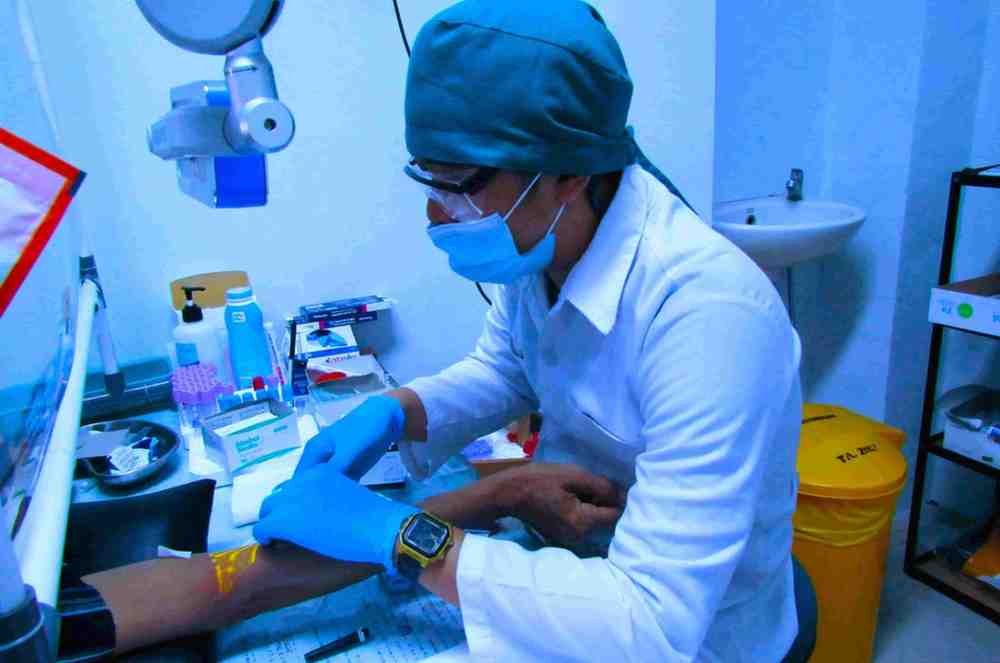
How AI is Revolutionizing Patient Recruitment in Clinical Trials
AI transforms clinical trial patient recruitment, making it faster and more efficient. Learn how Kitsa connects underserved communities to trials.
Read More →
GLP-1 Changed Obesity Treatment. The Next Challenge May Be Clinical Trial Capacity
Over the past few years, very few drug classes have reshaped both medicine and the pharmaceutical industry as dramatically as GLP-1 receptor agonists. Originally developed for type 2 diabetes, drugs like semaglutide and tirzepatide have now become central to modern weight management.
Read More →