
GLP-1 Changed Obesity Treatment. The Next Challenge May Be Clinical Trial Capacity
Over the past few years, very few drug classes have reshaped both medicine and the pharmaceutical industry as dramatically as GLP-1 receptor agonists. Originally developed for type 2 diabetes, drugs like semaglutide and tirzepatide have now become central to modern weight management.
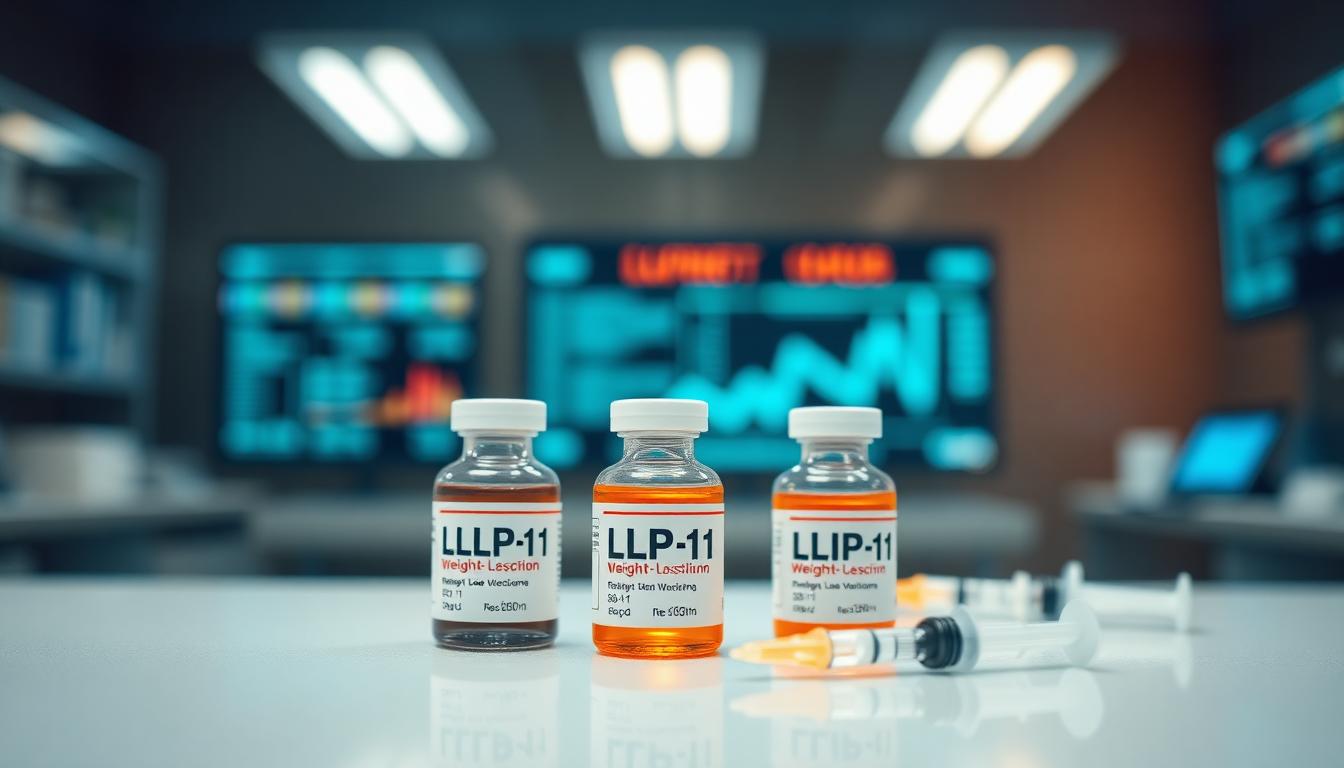
The scale of this shift is massive. GLP-1 therapies are expected to become one of the largest therapeutic markets in pharmaceutical history. While most discussions focus on demand and revenue potential, a quieter challenge is beginning to emerge inside the industry.
“The real question is no longer just about the drug. It is about whether the clinical trial ecosystem can keep up.”
A Discovery That Changed the Weight Loss Landscape
GLP-1 therapies were never meant to be weight loss drugs. They were designed to mimic a hormone that regulates insulin and appetite. Early trials focused on diabetes. But something unexpected happened. Patients began losing significant amounts of weight, in some cases more than 15 percent of their body weight when combined with lifestyle changes.
This changed everything. What started as a diabetes treatment quickly became one of the most important advances in obesity care. For a condition affecting more than 650 million adults globally, this was a breakthrough the field had been waiting for.
At the same time, caution remains important. Side effects such as nausea, vomiting, and delayed gastric emptying are well documented. There are also ongoing discussions around long term risks, including gallbladder complications and rare cases of pancreatitis.
So while GLP-1 therapies are powerful, they are not a complete solution yet.
The Patent Clock and the Rise of Generics
Another major shift is already underway. Key patents for semaglutide are beginning to expire in several international markets starting around 2026. This opens the door for generic manufacturing, especially in countries with strong pharmaceutical ecosystems like India.
Companies such as Sun Pharma, Dr Reddy's, Zydus, Lupin, Natco, and Biocon have already shown interest in entering this space.
The economics here are important.
In the United States, GLP-1 therapies have historically been priced between 1,000 and 1,300 dollars per month. With generics, this cost could drop significantly, potentially making treatment accessible to a much larger population globally.
If accessibility increases, demand will not just grow. It will accelerate.
The Metabolic Drug Gold Rush
Lower costs and rising demand are setting the stage for a surge in innovation. Pharmaceutical companies are already racing to build the next generation of metabolic therapies, including:
- Next generation GLP-1 drugs
- Oral formulations
- Dual and triple agonist therapies
- Combination treatments targeting obesity and metabolic syndrome
The commercial opportunity is enormous.
But this wave of innovation brings a new kind of pressure.
Running large scale metabolic trials is not easy.
The Site Capacity Problem Few Are Talking About
Obesity trials are operationally complex. They often require very large patient populations, sometimes between 2,000 to 5,000 participants or more.
Recruitment is not straightforward. Patients must meet:
- Specific BMI thresholds
- Comorbidity criteria
- Lifestyle intervention requirements
But the biggest challenge is geography. Obesity is not evenly distributed. In the United States, the highest prevalence is concentrated in regions like the South and Midwest. States such as Mississippi, Louisiana, West Virginia, and Alabama report some of the highest obesity rates. At the same time, many of these areas are rural or medically underserved.
“This creates a paradox. The patients are there. But the clinical trial infrastructure is not.”
Why Traditional Site Selection Struggles
Historically, site selection has relied on:
- Investigator relationships
- CRO feasibility surveys
- Previous trial experience
This model works in many therapeutic areas. But for obesity trials, it misses a critical question.
Where are the patients actually located?
High BMI populations are often found in community healthcare systems, regional hospitals, and primary care networks, not just large academic centers.
If sponsors continue to rely only on traditional site selection methods, they risk launching trials in locations where recruitment is slow.
The result is familiar. Delayed timelines and inefficient trials.
A Shift Toward Data Driven Site Intelligence
As metabolic trials grow in size and competition increases, the industry is beginning to shift. Sponsors are exploring more data driven approaches to site selection, including:
- Regional disease mapping
- Investigator performance data
- Patient population modeling
- AI driven feasibility analysis
The goal is simple. Find the sites that can actually recruit. Not just the ones that have historically participated in trials. Platforms like Kitsa are working in this direction, bringing more structure, visibility, and intelligence into how sites are discovered and evaluated.
The Next Chapter
GLP-1 therapies have already transformed obesity treatment. That part is clear. What is still unfolding is their impact on the clinical trial ecosystem.
With patent expirations, generics, and a surge in metabolic drug development, the number of obesity related trials is likely to increase significantly.
When that happens, the limiting factor will not be innovation.
It will be execution.
The ability to identify the right sites, reach the right patients, and run trials efficiently at scale will define the next phase of this market.
And in that phase, clinical trial capacity becomes strategy.
References
FDA Approvals: Wegovy and Zepbound FDA approvals for chronic weight management and obesity / overweight.
STEP 1 Trial: Semaglutide group mean body weight reduction of 14.9% at 68 weeks.
WHO Global Obesity: WHO fact sheet reporting 650 million adults with obesity (2016 estimate).
Patent Expiry: Reuters report on India semaglutide patent expiry in March 2026 triggering generic rush.
Indian Generics: Reuters coverage of Dr. Reddy's, Zydus, Sun Pharma and other Indian players entering semaglutide generics.
US Pricing: Zepbound official pricing page listing upper list price of $1,086.37 per fill.
US Obesity Prevalence: CDC NCHS data brief, national adult obesity prevalence 40.3% (August 2021 to August 2023). CDC obesity prevalence maps for state distribution.
Related Posts

4 AI Misconceptions in Clinical Trials That Are Easy to Miss, but Costly to Ignore
AI is already influencing clinical trial design, but misconceptions delay its use until protocols are finalized, when preventable risk is already locked in.
Read More →
The Rise of Radiopharmaceuticals: Redefining Precision Medicine
Radiopharmaceuticals are transforming oncology and CNS care through theranostic approaches. Discover how infrastructure, logistics, and site selection define success.
Read More →
The Hidden Geography of Alzheimer's: Data-Driven Insights for Clinical Trial Site Selection
Data-driven insights reveal geographic inequities in Alzheimer's trial access. How to optimize site selection for better patient reach.
Read More →